Retail color collection
A buyer starts with one approved platform and develops a coordinated body, trim, decal, and carton range. Color samples, artwork files, variant codes, and first-production checks remain linked.
Representative project patterns show how product, artwork, packaging, documentation, and production controls should move together. Customer identities and commercial details remain confidential.

These are representative workflows, not claims about named customers or guaranteed options. Availability, minimums, cost, timing, and evidence are confirmed for the exact model.
A buyer starts with one approved platform and develops a coordinated body, trim, decal, and carton range. Color samples, artwork files, variant codes, and first-production checks remain linked.
The project focuses on carton size, internal protection, accessory organization, assembly steps, scannable labels, and clear customer instructions for direct delivery.
Brand marks, model identity, warnings, manuals, packaging, product photography, spare parts, and after-sales references are released as one controlled package.
The buyer reviews charger input, plug, labels, languages, documentation, functions, and claims for the destination before sample approval.
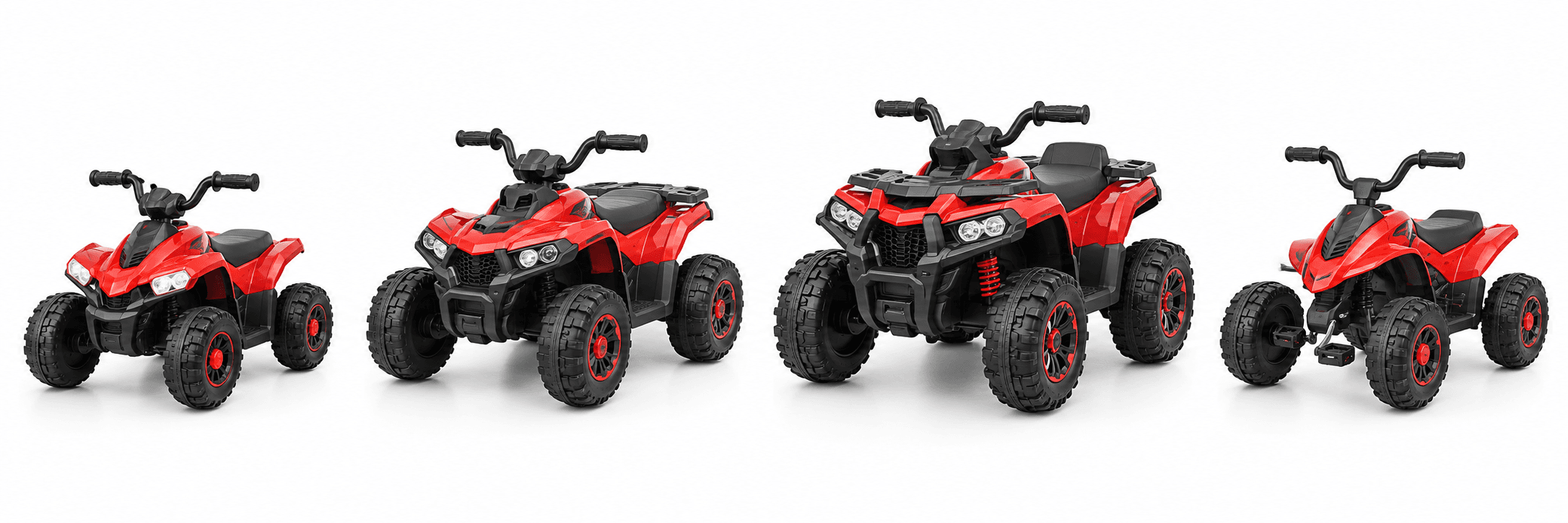
Customization works best when the product architecture already suits the market, channel, rider profile, packaging route, service capability, and target price.
Choose voltage, dimensions, controls, drive layout, wheels, and features before finalizing colors or graphics.
Map every body color, trim, battery, charger, label, manual, carton, and accessory combination.
Review whether a requested change affects testing, labels, instructions, transport, packing, or service parts.
A clear gate prevents attractive mockups from being mistaken for a production-ready specification.
Define market, channel, intended customer, platform, quantity, visual scope, packaging, evidence, schedule, and decision owners.
Separate standard choices, development work, tooling, testing impact, commercial minimums, and unresolved items.
Record the exact physical configuration, artwork, functions, packaging, deviations, and approved references.
Translate the approval into BOM, work instructions, inspection points, print files, packing specification, and effective batch.
Check production against the accepted configuration and retain useful release, packing, and loading evidence.
Share your market, target age, quantity, feature priorities, and packaging requirements.