Your market
Country, customer type, channel, intended age range, and product positioning.
Receive a focused product-range response based on your market, channel, quantity, and platform requirements instead of an unfiltered model list.
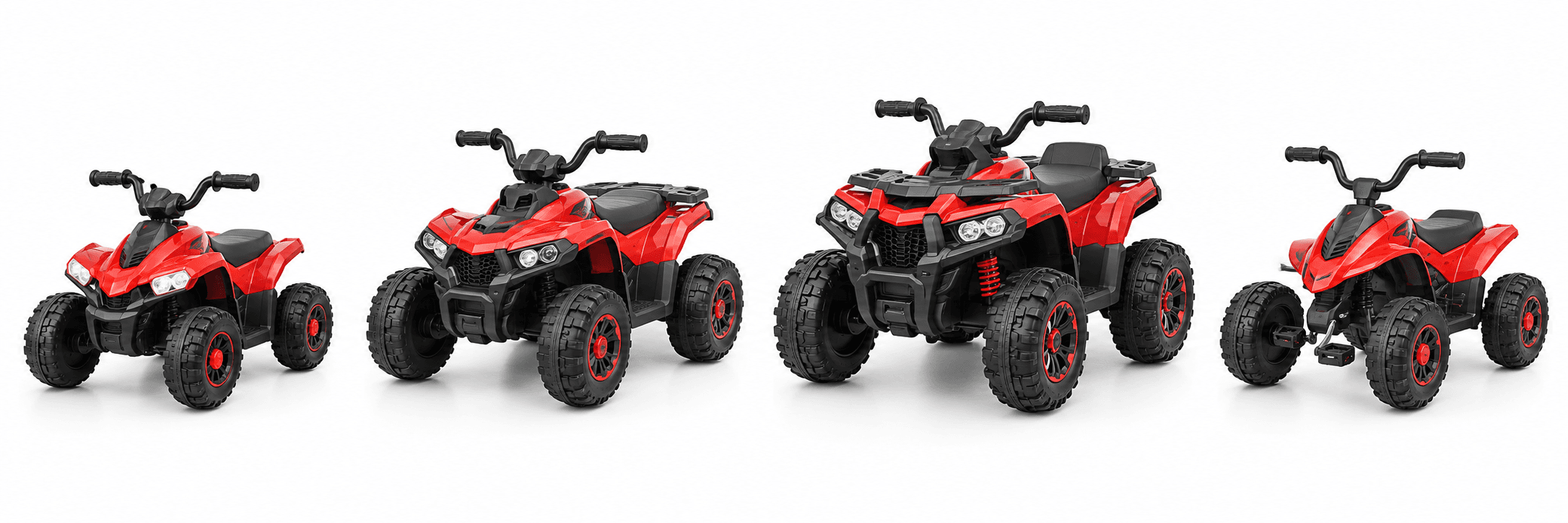
Catalog information helps buyers shortlist platform direction, size, styling, voltage, feature level, and commercial position. Final specifications remain model-, order-, and market-specific.
Tell us how you sell and what role the product should play. CubRover can then highlight a more relevant range and identify questions that need technical or packaging review.
A short commercial brief makes the product selection more useful.
Country, customer type, channel, intended age range, and product positioning.
Existing range, gaps, preferred voltage, visual direction, functions, and price architecture.
Expected quantity, SKU count, private-label scope, sample timing, and launch target.
Packaging route, warehouse constraints, installation, after-sales, and spare-parts needs.
The goal is a manageable shortlist with visible assumptions.
Market, channel, quantity, product direction, and contact information.
Compare appropriate starting platforms and known constraints.
Clarify model roles, functions, options, packaging, and evidence needs.
Define the exact configuration and commercial scope for the next step.
Connect approval, production, inspection, and shipment requirements.
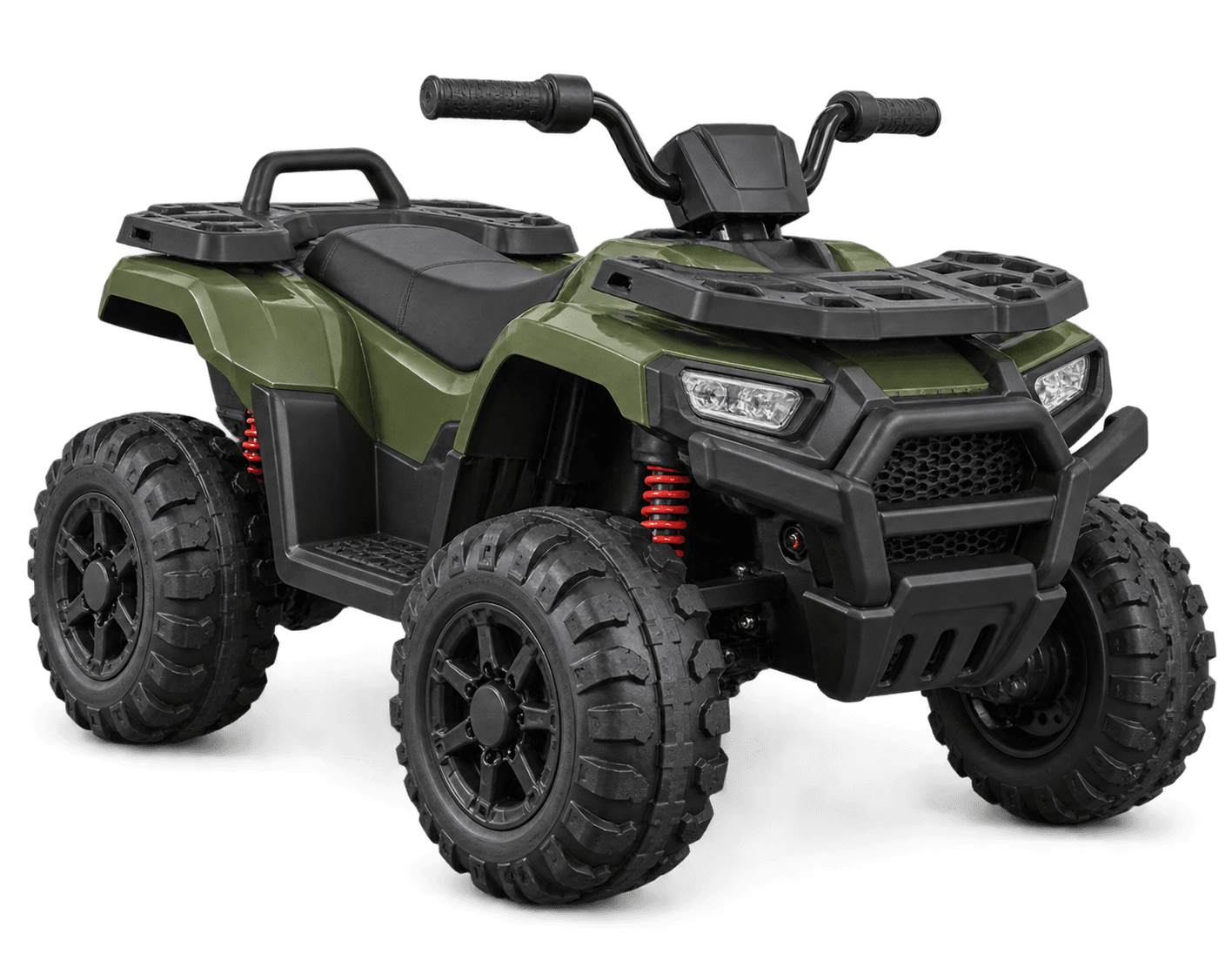
Catalog pages should not be treated as a guarantee that every option, color, component, document, or production slot is available for every order. Confirm the current model and written specification before purchase.
Final specifications, evidence, commercial terms, and timelines are confirmed for the exact model and order.
No. CubRover focuses on B2B distributors, retailers, importers, and private-label programs.
Prices depend on the exact model, configuration, quantity, packaging, documentation, trade term, and timing. A scoped quotation is provided after requirements are reviewed.
Yes. Share the intended application and market rather than selecting by voltage alone, because vehicle size, motor layout, controls, speed, load assumptions, and age grading also matter.
Private-label and compatible OEM options can be discussed. New structural or electrical development requires feasibility, tooling, testing, quantity, and schedule review.
Tell us your market and product direction so we can respond with the most relevant starting range.