The short answer
Reduce container moisture risk by controlling product and packaging dryness, warehouse conditions, rain exposure, container leaks and floor condition, wet pallets or dunnage, route and storage duration, temperature changes, cargo protection, appropriate moisture-control materials, monitoring, and arrival inspection. Treat desiccants as one engineered part of the plan rather than a cure for wet cargo or a leaking container.
Damp cartons, mold, corrosion, damaged manuals, lifted decals, and suspect electrical components can arrive together. The source may be wet packing, rain during loading, a container leak, retained moisture, or condensation as temperature changes.
This guide helps buyers and factories build a moisture-prevention and evidence plan. Use qualified cargo-packing advice for the route and exact packaged product.
1. Distinguish moisture sources before choosing protection
Map moisture from products, paper, cartons, inserts, pallets, dunnage, warehouse air, rain, cleaning, container floors, external leaks, and temperature-driven condensation. Different mechanisms need different controls and create different evidence at arrival.
Do not assume every wet roof or carton is “container sweat.” Record the location and distribution of damage, loading conditions, materials, route, storage, and any container defects. An accurate mechanism matters for prevention and a claim. A leaking door seal requires repair or container rejection; wet cardboard requires drying or replacement; route-related condensation requires a considered cargo and moisture-control plan.
What to confirm before approval
- Map cargo, packing, container, and environmental sources.
- Record the mechanism as a hypothesis until supported.
- Choose controls for the identified exposure.
2. Control product and packaging condition at the factory
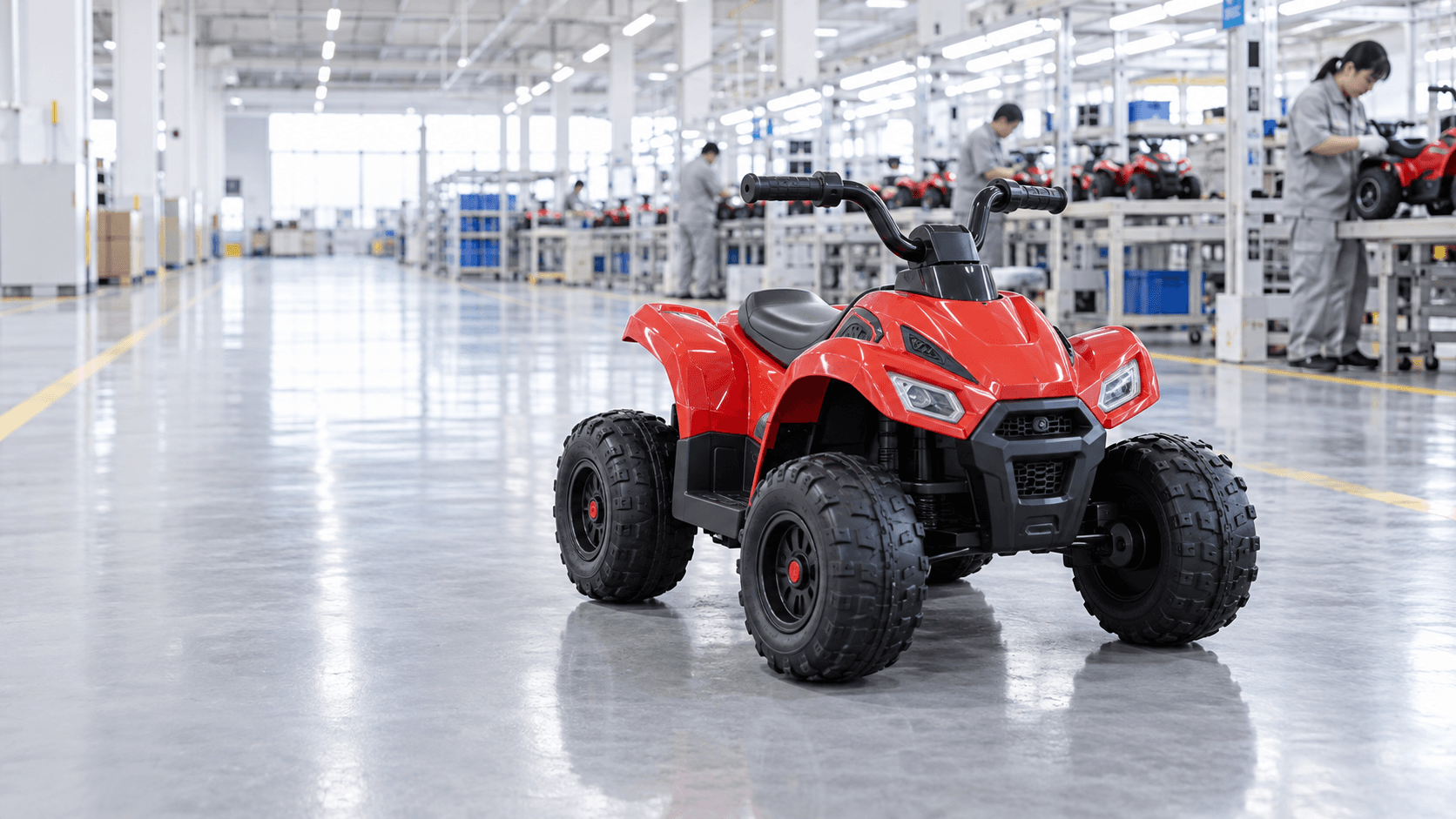
Keep finished vehicles, manuals, cartons, pulp or foam inserts, wood, and other packing materials in suitable covered storage. Review humidity, rain exposure, cleaning, drying, floor contact, and storage duration. Use appropriate measurement and acceptance methods for materials where moisture is important.
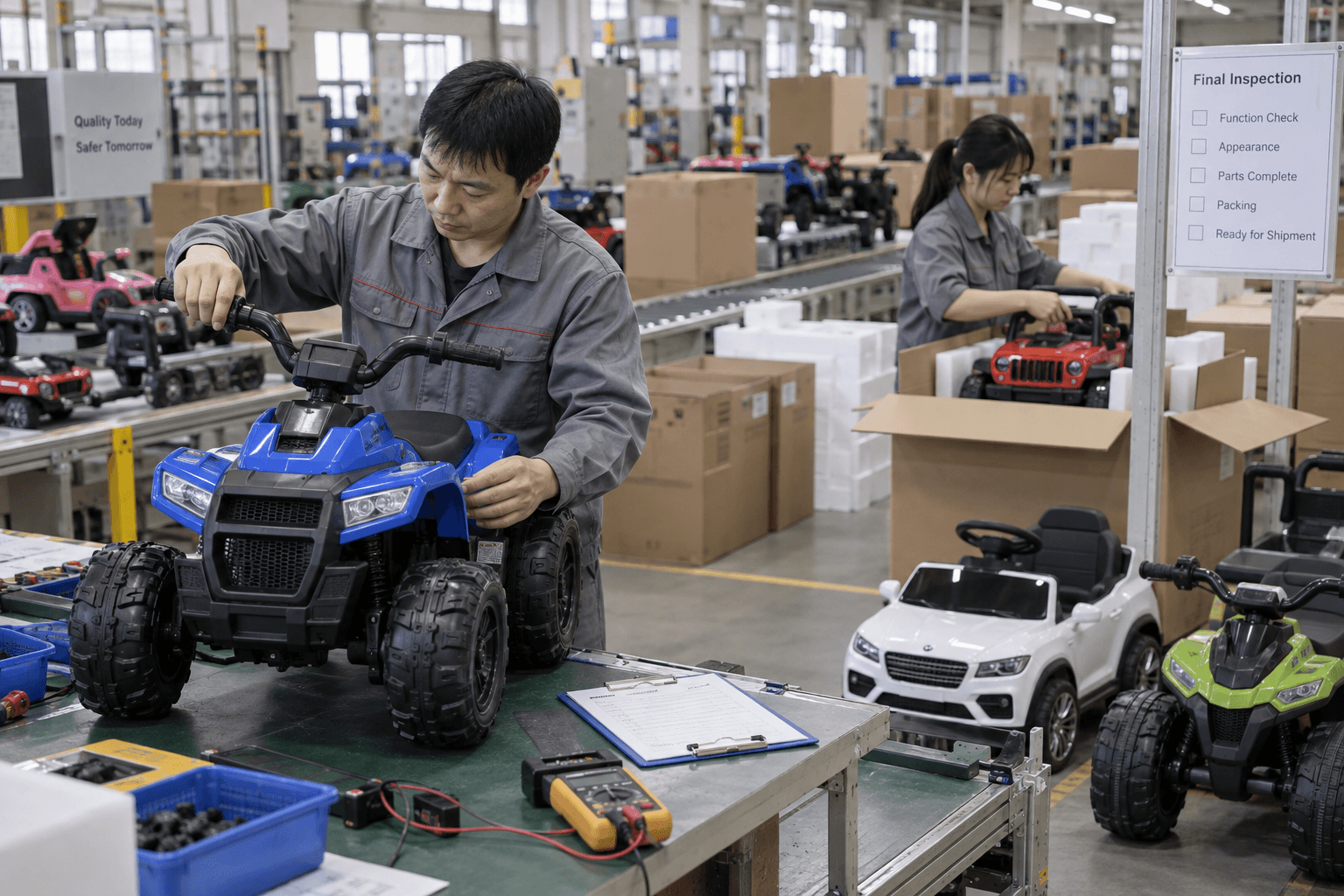
Inspect batches before packing and loading. A dry-looking outer carton can contain damp inserts or paperwork. Where moisture damage is found, isolate the affected scope and determine whether electrical, cosmetic, structural, or document condition is compromised. Do not pack damp materials and expect desiccants to make the delivered product acceptable. Record any drying or replacement action and its verification.
What to confirm before approval
- Inspect inner and outer packing materials.
- Keep materials protected from rain and floors.
- Reject or correct damp inputs before loading.
3. Inspect the empty container and loading area
Check identity, structural condition, doors and seals, roof and walls, floor, cleanliness, odor, residues, visible dampness, previous cargo concerns, and evidence of leaks. Use the carrier and packing program’s appropriate acceptance checklist and safe inspection method.
Loading should remain protected from rain, splash, wet forklifts or wheels, and prolonged exposure. If conditions change, pause and assess rather than continuing because the container is booked. Record photographs before loading and identify who can reject the container. A clean dry container is a starting control; it does not eliminate moisture already contained in cargo or later route exposure.
What to confirm before approval
- Record container condition before cargo enters.
- Check dryness, cleanliness, seals, and floor.
- Assign rejection and weather-pause authority.
4. Select a complete cargo-protection approach
Review barriers, bags, wrap, liners, desiccants, corrosion protection where suitable, pallet and dunnage condition, ventilation assumptions, clearance, drainage of accidental water, and the behavior of the final package. Protection must not create an incompatible battery or product environment.
Choose moisture-control capacity and placement using competent advice and route assumptions. Protect sachets or units from rupture and direct contamination. A sealed bag can protect a dry product but also trap moisture if packed incorrectly. Avoid publishing one universal number of desiccant bags per container without considering climate, duration, materials, package barriers, and the specific moisture mechanism.
What to confirm before approval
- Use route-specific packing expertise.
- Prevent protection materials damaging the product.
- Validate assumptions about barriers and trapped moisture.
5. Preserve loading and journey evidence
Record product and packing condition, container identity, inspection, loading weather, time, protection materials, placement, quantity, photographs, seal, carrier handoff, and route. Add suitable environmental loggers when their data will answer a defined question.
Monitoring is useful only when devices are positioned, identified, and interpreted appropriately. A single reading at the door does not describe every carton interior. Define who retrieves the data, how it is linked to the shipment, and which action follows an excursion. Keep calibration or accuracy information where relevant and avoid claiming that a logger proves the entire load remained unaffected.
What to confirm before approval
- Link records and monitors to the shipment.
- Choose device placement from the question.
- Define response to abnormal observations.
6. Inspect arrival condition and close the cause
Before unloading, record container exterior, seal, doors, water patterns, smell, carton damage, and relevant logger data. Open selected packs systematically and assess inner materials, manuals, metal, electrical parts, decals, and product condition.
Hold affected goods until the appropriate technical and safety assessment is complete. Superficial drying does not necessarily restore an electrical product or remove mold and corrosion concerns. Compare damage location with loading and packing evidence, investigate the mechanism, and verify corrected materials or process on a subsequent shipment. Keep claims and product-release decisions supported by facts rather than assumptions about who caused the moisture.
What to confirm before approval
- Capture evidence before moving or drying the cargo.
- Assess product condition beyond carton appearance.
- Verify corrective action on later shipments.
7. Worked example: apply the decision to a real order
The following scenario is illustrative. It explains a decision method rather than reporting a CubRover customer project, measured test result, certification, or completed shipment.
An importer receives quad cartons with damp lower edges and damaged manuals. The initial explanation is sea-voyage condensation. Loading photographs, however, show pallets stored in an uncovered area before the container arrived.
The team reviews pallet and packing condition, container checks, loading weather, route, and damage distribution. It does not assume one cause from the first photo. Affected electrical products are held for assessment while the supplier reviews material storage and the logistics team checks for external leaks.
The revised plan controls dry inputs, covered staging, container acceptance, appropriate protection, and arrival evidence. The example illustrates investigation and prevention rather than promising a universal desiccant quantity or a damage-free shipment under every route.
| Potential source | Evidence to seek | Control direction |
|---|---|---|
| Wet packaging | Material storage and inner condition | Dry inputs and protected staging |
| External leak | Container defects and water pattern | Container acceptance and repair |
| Loading weather | Time, rain, exposure photos | Covered process and stop rules |
| Condensation | Route, temperature, moisture inventory | Qualified barrier and moisture plan |
Questions to include in the buyer decision brief
Convert the review into questions that the supplier can answer against one named model and order. The following prompts come from the topic-specific approval checks above. They are intentionally practical: each answer should identify the responsible party, supporting record, open condition, and date by which the buyer can make the next decision.
- Distinguish moisture sources before choosing protection: Map cargo, packing, container, and environmental sources. Record the mechanism as a hypothesis until supported. Choose controls for the identified exposure.
- Control product and packaging condition at the factory: Inspect inner and outer packing materials. Keep materials protected from rain and floors. Reject or correct damp inputs before loading.
- Inspect the empty container and loading area: Record container condition before cargo enters. Check dryness, cleanliness, seals, and floor. Assign rejection and weather-pause authority.
- Select a complete cargo-protection approach: Use route-specific packing expertise. Prevent protection materials damaging the product. Validate assumptions about barriers and trapped moisture.
- Preserve loading and journey evidence: Link records and monitors to the shipment. Choose device placement from the question. Define response to abnormal observations.
- Inspect arrival condition and close the cause: Capture evidence before moving or drying the cargo. Assess product condition beyond carton appearance. Verify corrective action on later shipments.
8. Turn the review into a controlled implementation plan
A useful buyer decision has three outputs: an approved requirement, evidence supporting that requirement, and a named person who can release the next activity. Keep these connected by model, configuration, market, document revision, and effective production date. If a supplier gives a conditional answer, preserve the condition in the purchasing record rather than shortening it into an unconditional product claim.
Add moisture controls to the pack-out and loading specification. Identify accepted material condition, covered storage, container checks, weather rules, protection design, monitoring objective, arrival sampling, and technical hold criteria for affected products.
- Review the route and moisture sources.
- Verify product and packing dryness.
- Accept a suitable container and loading environment.
- Document protection and cargo handoff.
- Assess arrival and verify recurring-cause correction.
Agree evidence and acceptance before work starts
Write the review method before the sample, factory testing, document check, shipment inspection, or service exercise takes place. Specify the reference, sample selection, conditions, tools, result format, acceptance boundary, and response to a failure. This makes two quotations or results comparable and prevents teams from negotiating the meaning of a pass after money and time have already been spent.
Keep a compact, traceable decision file
Retain the original requirement, dated supplier response, model and component identity, relevant photographs, calculations, reports, deviations, approvals, and release decision. A screenshot can help communication, but retain the underlying record when it matters to the decision. Distinguish a proposed target from a measured value, an engineering sample from a production reference, and an internal check from a third-party assessment.
Use one current revision where possible. Purchasing, engineering, compliance, quality, logistics, sales, and service may need different views of the information, but they should not be making decisions from different versions of the product. When a change is approved, state the first affected batch and what happens to old materials, inventory, artwork, service parts, customer instructions, and pending shipments.
Review cost and timing together with product application
The lowest visible unit price may shift cost into testing, rework, freight, storage, retail setup, support, returns, or obsolete parts. Compare the complete customer requirement and the cost of supplying it consistently. Where a number is uncertain, show the assumption and a reasonable scenario range. Do not turn an illustrative calculation into a supplier promise or a universal benchmark for the category.
Reserve time for unresolved items. A sample modification may require another review; a component change may affect evidence; a carton revision may alter loading; a late document can affect handoff. Put the owner and decision date beside each open item. A useful schedule makes these dependencies visible instead of reporting one finish date that assumes every preceding decision will happen immediately.
Close the loop after delivery
After the first shipment or implementation, compare the approved assumptions with arrival condition, assembly preparation, actual costs, receiving accuracy, customer questions, service cases, and repeat-order results. Separate an isolated event from a recurring pattern using model, batch, channel, and time in use. When a discrepancy appears, contain the affected scope, identify the cause, implement the correction, and verify the next relevant outcome.
Primary resources for the specific source facts and frameworks discussed in this guide: IMO/ILO/UNECE CTU Code overview.
Continue the related CubRover buyer workflow: shipping-damage investigation guide; battery warehouse guide; loading supervision guide.
9. Conclusion and buyer handoff
Moisture prevention combines dry inputs, controlled staging, container condition, qualified protection, monitoring, and arrival assessment. Match the action to the mechanism and verify the outcome rather than relying on one protective accessory.
Before requesting a quote, share the destination market, selected product platform, target quantity, required configuration, channel, timing, and the decision you need the supplier to support. Attach the current requirement and identify open questions. This gives the factory a clear starting point for discussing samples, evidence, inspection, documents, packaging, and commercial responsibilities.
Frequently asked questions
Do desiccants prevent every moisture problem?
No. They cannot substitute for dry cargo, sound containers, protected loading, or an appropriate overall plan.
Is every wet carton caused by condensation?
No. Wet materials, rain, leaks, floors, and handling can create similar symptoms.
Can damp electrical products be released after drying?
Only after appropriate technical and safety assessment; appearance alone is insufficient.
How many desiccant units are needed?
Determine from product, materials, barrier, climate, duration, route, capacity, and qualified packing advice.
Should environmental loggers be used?
Use them when the location, accuracy, retrieval, interpretation, and response address a defined shipment question.
What should arrival photos show?
Container and seal, water patterns, carton positions, inner packing, manuals, product condition, and relevant identifiers before disturbance.
Build moisture prevention into shipment preparation
Discuss the exact product, pack-out, route, and receiving requirements with CubRover.
Contact Us