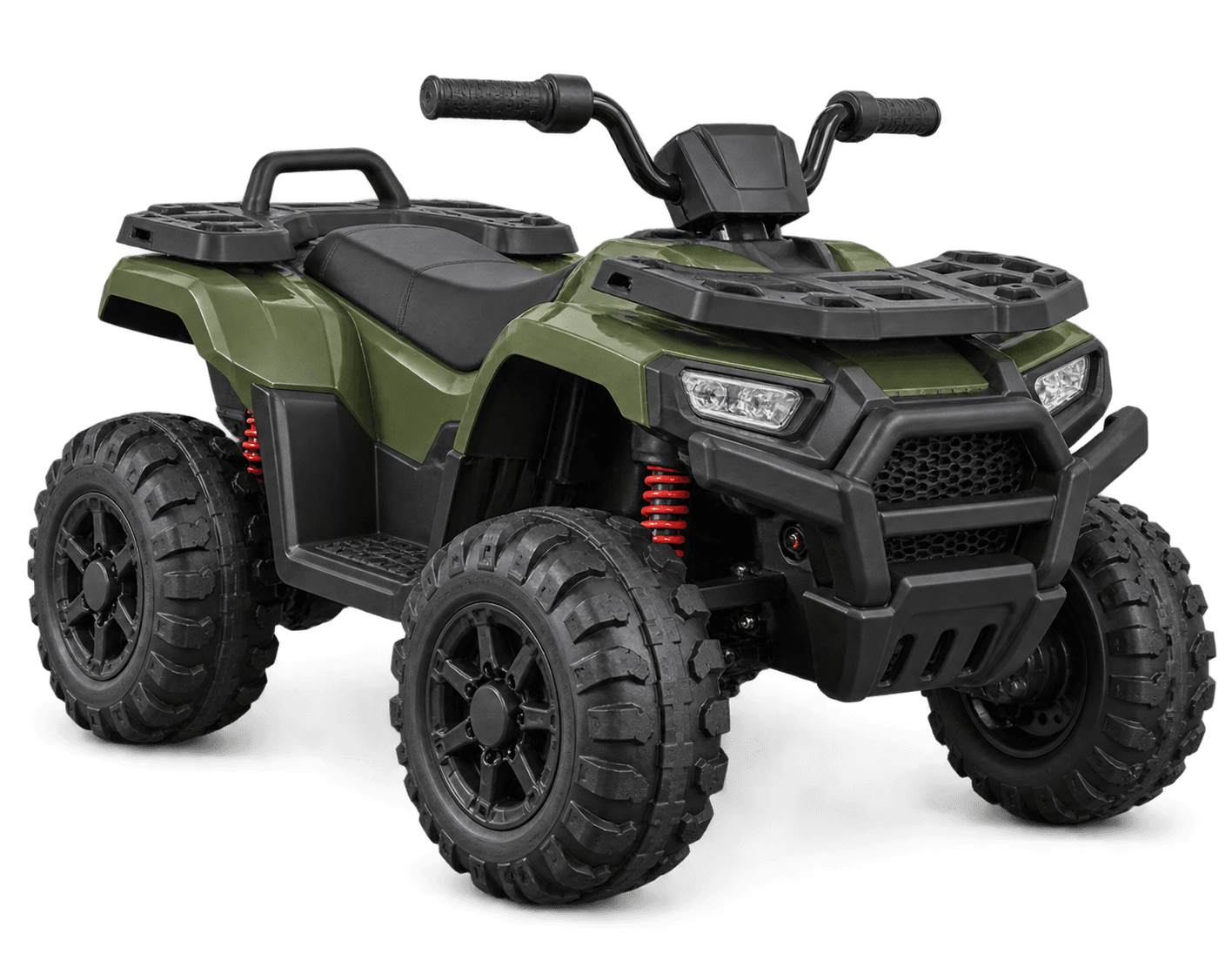
The short answer
A parental remote can support adult intervention when the exact product, intended user, range, priority logic, stopping behavior, pairing, interference response, battery state, and instructions are suitable. A manual-only product can reduce electronics, pairing, lost-remote, and support complexity. Choose from the supervision model and validated control behavior—not from a feature checklist.
Some retailers treat a remote as a universal safety feature; others remove it to simplify cost and service. Both positions are incomplete. The useful question is whether the product has a clearly defined adult-intervention function that works consistently in the intended environment.
Remote availability must not replace supervision, rider fit, responsible speed, instructions, or product-specific safety assessment.
1. Define why the remote is present
State whether the remote selects speed, commands stop, overrides rider input, controls direction, starts movement, or performs another function. Define the intended adult, distance, setting, and moments of use. Avoid vague wording such as “full safety control.”
For manual-only models, explain the supervision and control approach without implying independence. Compare the intended rider ability, control reach, speed modes, start behavior, and permitted environment. A remote may fit an entry platform but be unnecessary or inappropriate on another design.
What to confirm before approval
- Write the remote function in observable terms.
- Define the supervision scenario.
- Align rider ability and speed with the control concept.
2. Map control priority and every state
Create a state table for power-on, paired, unpaired, rider command, remote command, conflicting commands, low remote battery, signal loss, out-of-range, direction selection, speed modes, and vehicle low-voltage condition. Define which input wins and what the vehicle does.
Test transitions, not just steady states. An adult may press stop while the rider continues the pedal, or the signal may return after loss. The approved behavior must be deliberate, documented, and represented accurately in the manual and channel content.
What to confirm before approval
- Document a complete state and priority table.
- Test conflicts and signal transitions.
- Keep instructions consistent with actual logic.
3. Verify pairing, range, and interference responsibly
Pairing should identify the correct vehicle and avoid unintended control of nearby units. Test multiple vehicles, power cycling, replacement remotes, stored pairing, and factory reset under the approved design. Give retailers and customers a model-specific pairing procedure.
Define range testing with orientation, obstacles, batteries, nearby devices, antenna position, and environment. Do not market one open-field maximum as guaranteed operating distance. State that adult proximity, line of sight where required, and supervision remain necessary.
What to confirm before approval
- Check one-to-one control around multiple units.
- Record range conditions and limitations.
- Prepare replacement and re-pairing support.
4. Evaluate intervention and stopping behavior
Measure response from remote command to the defined vehicle action under representative speeds, loads, surfaces, turns, gradients, and battery states. Distinguish motor cut, controlled deceleration, active electrical behavior, and mechanical brake effects where applicable.
Review rollback, restart, direction change, and retained pedal input after intervention. A stop button symbol does not establish stopping distance or hill holding. Claims and demonstrations should follow the actual tested behavior and permitted surface conditions.
What to confirm before approval
- Define the action behind each remote command.
- Measure response under stated conditions.
- Review restart and rollback after intervention.
5. Control remote identity and after-sales support
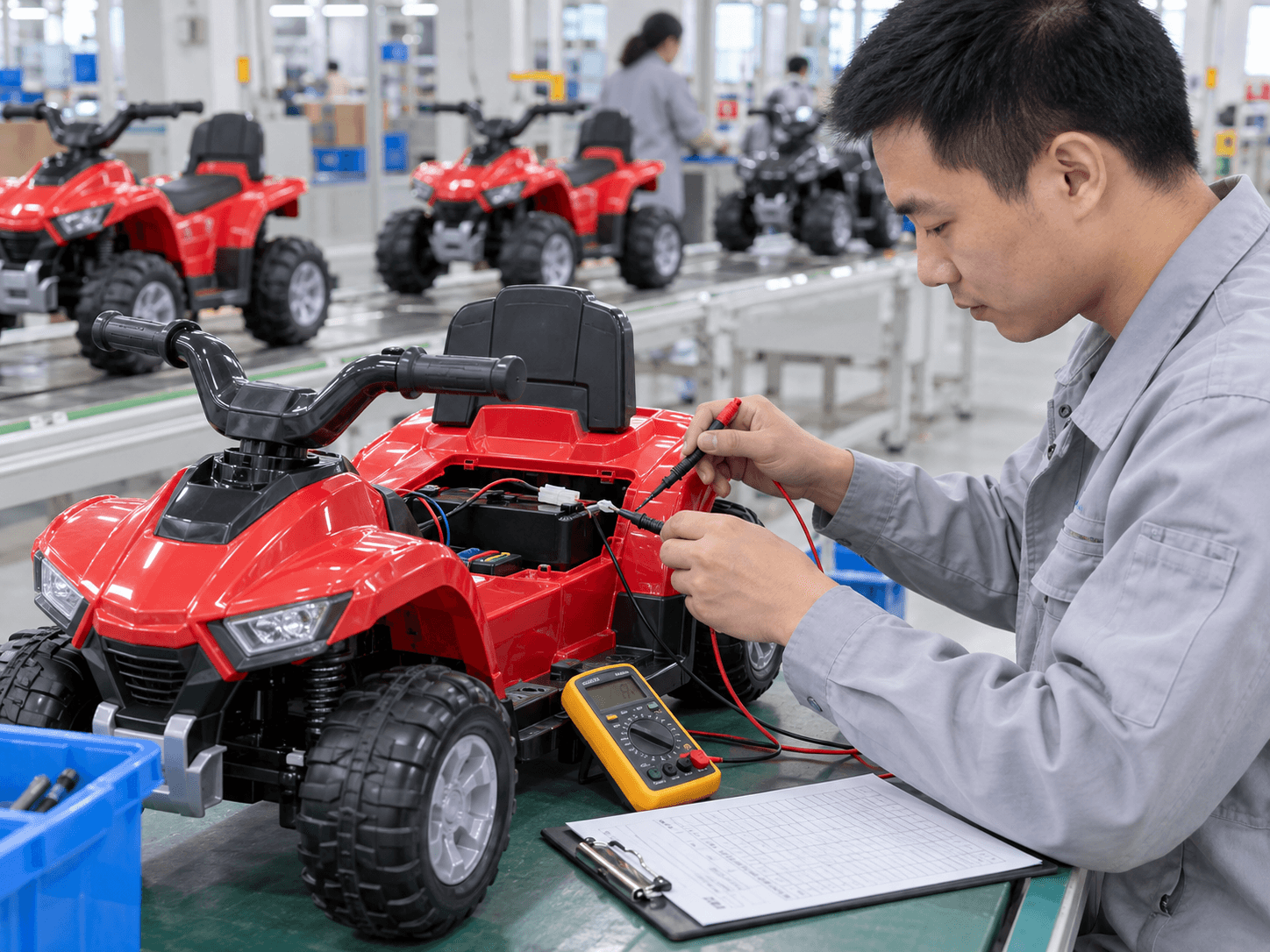
The BOM should connect transmitter, receiver or controller, firmware where applicable, labels, frequency or regional configuration, battery, pairing method, and model revision. End-of-line checks should confirm correct remote, pairing, commands, rider priority, and defined signal-loss behavior.
Plan lost and replacement remotes, wrong-model remotes, low batteries, re-pairing, receiver replacement, and controller revisions. Support teams need a safe symptom sequence and should not advise bypassing or uncontrolled rewiring.
What to confirm before approval
- Trace transmitter and receiver compatibility.
- Verify remote functions at production.
- Stock and document approved replacements.
6. Compare feature value with lifecycle cost
Include remote hardware, receiver or controller, testing, batteries, packaging, instructions, service stock, pairing contacts, lost units, and returns. A feature that improves conversion can still increase support; a manual-only product can be clearer for a defined older or simpler platform.
Test customer understanding through instructions and controlled demonstrations. Track pairing questions, false range expectations, lost remotes, uncommanded behavior reports, and no-fault-found returns. Use evidence to retain, redesign, or remove the feature.
What to confirm before approval
- Price complete remote lifecycle cost.
- Measure customer and dealer understanding.
- Track remote-specific complaints and returns.
7. Worked example: apply the decision to a real order
The following scenario is illustrative. It explains a decision method rather than reporting a CubRover customer project, measured test result, certification, or completed shipment.
A distributor asks to add the same remote to every voltage platform. The supplier can fit a transmitter to several controllers, but priority and signal-loss behavior differ.
The buyer limits the first release to one platform, documents the state table, tests multiple vehicles and stopping response, revises instructions, and creates a replacement-remote map. The manual-only platform remains in the range with distinct positioning.
This illustrative scenario does not claim that a remote makes a model safe or suitable for a particular child.
| Question | Parental remote | Manual only |
|---|---|---|
| Purpose | Defined adult intervention | Rider input with supervision |
| Complexity | Pairing, signal, priority | Fewer control components |
| Testing | States, range, response | Rider controls and modes |
| Support | Replacement and pairing | Simpler diagnosis |
Questions to include in the buyer decision brief
Convert the review into questions that the supplier can answer against one named model and order. The following prompts come from the topic-specific approval checks above. They are intentionally practical: each answer should identify the responsible party, supporting record, open condition, and date by which the buyer can make the next decision.
- Define why the remote is present: Write the remote function in observable terms. Define the supervision scenario. Align rider ability and speed with the control concept.
- Map control priority and every state: Document a complete state and priority table. Test conflicts and signal transitions. Keep instructions consistent with actual logic.
- Verify pairing, range, and interference responsibly: Check one-to-one control around multiple units. Record range conditions and limitations. Prepare replacement and re-pairing support.
- Evaluate intervention and stopping behavior: Define the action behind each remote command. Measure response under stated conditions. Review restart and rollback after intervention.
- Control remote identity and after-sales support: Trace transmitter and receiver compatibility. Verify remote functions at production. Stock and document approved replacements.
- Compare feature value with lifecycle cost: Price complete remote lifecycle cost. Measure customer and dealer understanding. Track remote-specific complaints and returns.
8. Turn the review into a controlled implementation plan
A useful buyer decision has three outputs: an approved requirement, evidence supporting that requirement, and a named person who can release the next activity. Keep these connected by model, configuration, market, document revision, and effective production date. If a supplier gives a conditional answer, preserve the condition in the purchasing record rather than shortening it into an unconditional product claim.
For remote models, keep a controlled state table, transmitter-receiver compatibility matrix, test protocol, instruction, and service path. For manual-only models, document rider controls, supervision, speed modes, and comparison claims so the absence of a remote is not hidden or misrepresented.
- Define the supervision and intervention use case.
- Approve state and priority logic.
- Test pairing, range, stopping, and transitions.
- Verify production and replacement compatibility.
- Track remote-related field evidence.
Agree evidence and acceptance before work starts
Write the review method before the sample, factory testing, document check, shipment inspection, or service exercise takes place. Specify the reference, sample selection, conditions, tools, result format, acceptance boundary, and response to a failure. This makes two quotations or results comparable and prevents teams from negotiating the meaning of a pass after money and time have already been spent.
Keep a compact, traceable decision file
Retain the original requirement, dated supplier response, model and component identity, relevant photographs, calculations, reports, deviations, approvals, and release decision. A screenshot can help communication, but retain the underlying record when it matters to the decision. Distinguish a proposed target from a measured value, an engineering sample from a production reference, and an internal check from a third-party assessment.
Use one current revision where possible. Purchasing, engineering, compliance, quality, logistics, sales, and service may need different views of the information, but they should not be making decisions from different versions of the product. When a change is approved, state the first affected batch and what happens to old materials, inventory, artwork, service parts, customer instructions, and pending shipments.
Review cost and timing together with product application
The lowest visible unit price may shift cost into testing, rework, freight, storage, retail setup, support, returns, or obsolete parts. Compare the complete customer requirement and the cost of supplying it consistently. Where a number is uncertain, show the assumption and a reasonable scenario range. Do not turn an illustrative calculation into a supplier promise or a universal benchmark for the category.
Reserve time for unresolved items. A sample modification may require another review; a component change may affect evidence; a carton revision may alter loading; a late document can affect handoff. Put the owner and decision date beside each open item. A useful schedule makes these dependencies visible instead of reporting one finish date that assumes every preceding decision will happen immediately.
Close the loop after delivery
After the first shipment or implementation, compare the approved assumptions with arrival condition, assembly preparation, actual costs, receiving accuracy, customer questions, service cases, and repeat-order results. Separate an isolated event from a recurring pattern using model, batch, channel, and time in use. When a discrepancy appears, contain the affected scope, identify the cause, implement the correction, and verify the next relevant outcome.
Primary resources for the specific source facts and frameworks discussed in this guide: CPSC toy-safety business guidance.
Continue the related CubRover buyer workflow: parental remote-control guide; age-grading and rider-fit guide; stopping-behavior guide.
9. Conclusion and buyer handoff
Remote and manual controls serve different product strategies. A remote creates value only when its purpose, priority, pairing, range, stopping behavior, production checks, instructions, and support are engineered as one system.
Before requesting a quote, share the destination market, selected product platform, target quantity, required configuration, channel, timing, and the decision you need the supplier to support. Attach the current requirement and identify open questions. This gives the factory a clear starting point for discussing samples, evidence, inspection, documents, packaging, and commercial responsibilities.
Frequently asked questions
Is a parental remote required on every kids ATV?
Requirements and suitability depend on the exact category, market, design, intended user, and professional review.
Does the remote replace adult supervision?
No. It is one control function and should not be presented as a substitute for supervision.
What happens when the signal is lost?
The approved model must have defined, tested behavior documented in its state table and instructions.
Can one remote control several models?
Only use combinations specifically designed, identified, tested, and approved for compatibility.
How should range be stated?
Describe test conditions and limitations rather than guaranteeing one ideal maximum.
Is manual control simpler to support?
It removes remote-specific issues but still requires complete rider-control, speed, and stopping support.
Choose a control concept that fits the rider and channel
Ask CubRover about remote and manual platform options.
Ask for Product Catalog