Transit protection
Control clearance, contact points, restraints, loose parts, moisture exposure, and carton strength.
Treat packaging, installation, listing accuracy, replacement parts, and return diagnosis as part of the product—not as post-launch fixes.
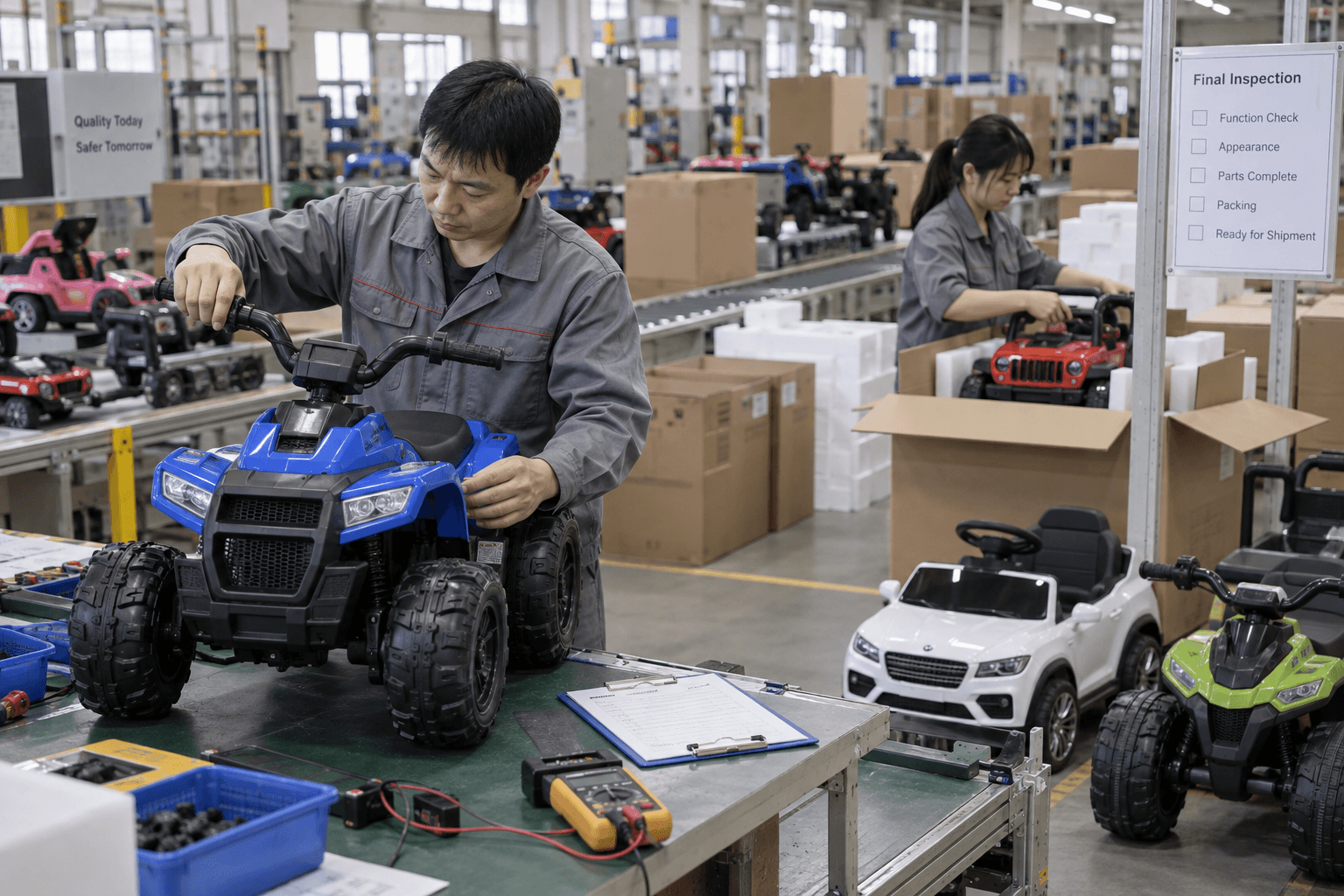
An e-commerce carton may pass through more handling points and orientations than a controlled pallet delivery. Product mass, protruding parts, internal movement, hardware placement, and customer setup all influence damage and return risk.
CubRover reviews pack-out, product protection, installation preparation, label placement, instructions, and evidence against the intended distribution route.
Separate product defects, transit damage, setup problems, and expectation gaps.
Control clearance, contact points, restraints, loose parts, moisture exposure, and carton strength.
Make hardware, tools, wiring steps, charging, and final checks easy to identify and complete.
Align dimensions, functions, included items, rider guidance, images, and claims with the delivered revision.
Prepare model identification, troubleshooting boundaries, compatible parts, claim intake, and escalation routes.
Validate the product and the customer journey before launch.
Document warehouse, parcel, carrier, handling, climate, and customer-delivery conditions.
Develop protection, accessory placement, instructions, labels, and carton artwork.
Run agreed packaging tests and sealed-carton assembly or setup reviews.
Release product data, imagery, service parts, troubleshooting, and return coding.
Analyze damage, missing parts, setup questions, defects, and listing mismatches.
Useful return records identify model, revision, symptom, carton condition, customer setup, photos, diagnosis, and disposition. That evidence helps distinguish packaging, production, instruction, component, and expectation causes.
Final specifications, evidence, commercial terms, and timelines are confirmed for the exact model and order.
Packaging can be reviewed for the intended route, but the final design and test plan depend on product mass, geometry, disassembly level, carrier conditions, and acceptance criteria.
A controlled content package can be discussed. Final claims, specifications, images, identifiers, and included items should match the exact product revision.
Use a sealed-carton rehearsal to confirm the manual, hardware, tools, wiring, charging, and final checks can be completed without unstated factory knowledge.
A service-parts plan can be prepared by model and installed base. Compatibility, lead time, shelf life, packaging, and usage guidance should be controlled.
Share your platform, delivery route, packaging tests, setup, listing, and return requirements.