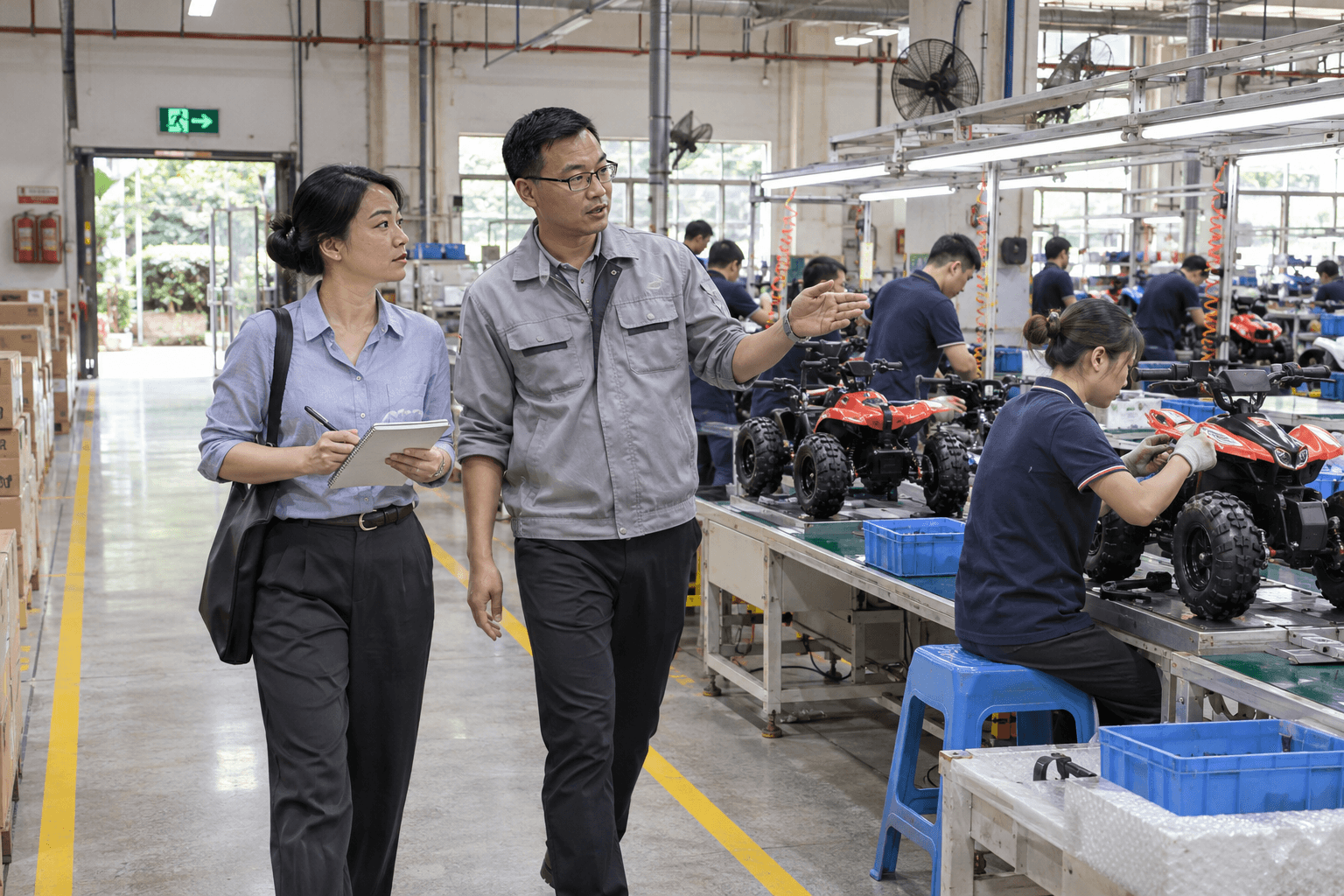
The short answer
A social-compliance audit should verify the correct factory site and use the buyer-approved methodology, authorized audit company and current scope. Review labor standards, working hours and wages, health and safety, worker-management systems, environmental and business-ethics areas as required. Read the full report and corrective-action plan, confirm critical issues directly, and track evidence of improvement instead of accepting a badge or score alone.
Product quality and social compliance answer different questions. A capable assembly line can still have weak working-hour, wage, recruitment, fire-safety or grievance controls, while a social-audit report does not prove product conformity.
Buyers should decide the responsible-sourcing standard before placing an order. SMETA and amfori BSCI are member-based systems with controlled audit processes; a supplier cannot simply create a valid report on request through any local consultant.
1. Define the buyer and retailer requirement first
Confirm whether the customer requires SMETA, amfori BSCI, another program or a buyer-specific code. Record acceptable audit age, pillars, grade or finding thresholds, sharing permission, audit company, announced status and remediation expectations.
Avoid telling the factory to “get a social certificate” without naming the system and account process. Some audits must be requested by a member or responsible account holder and are not equivalent to certification.
What to confirm before approval
- Name the required program and current version.
- Confirm membership and request process.
- Define acceptance and remediation rules.
2. Verify the audited site matches production reality
Match legal name, address, business license, workforce, buildings and processes to the site manufacturing the kids ATV order. Identify dormitories, canteens, warehouses and subcontracted processes within or outside scope.
A report for a trading office, sister factory or old address cannot be assumed to cover current production. Compare report photographs, production equipment and employee counts with the factory audit and purchase records.
What to confirm before approval
- Match legal and physical site identity.
- Map subcontractors and off-site processes.
- Confirm report date and production relevance.
3. Review records, conditions and worker experience together
Auditors typically examine policies, payroll and time records, contracts, age verification, recruitment, disciplinary records, permits, risk assessments, fire protection and training. Site observation should confirm that systems operate beyond prepared paperwork.
Confidential worker interviews provide a different evidence source. Buyers should not request worker identities or interfere with confidentiality. Look for consistency across records, observations, management explanations and worker experience.
What to confirm before approval
- Review documents and physical conditions.
- Protect worker-interview confidentiality.
- Investigate inconsistent evidence.
4. Connect social findings to factory operating risk
Ride-on factories use assembly tools, battery handling, charging areas, soldering or electrical work, plastic parts, warehouses and loading docks. Review machine guarding, electrical safety, chemical control, fire exits, PPE, first aid and emergency drills against local law and audit requirements.
Do not confuse a tidy visitor route with complete coverage. Include peak-season shifts, temporary workers, maintenance areas and battery storage where relevant.
What to confirm before approval
- Inspect actual operational hazards.
- Include temporary and peak-season work.
- Verify emergency systems and training.
5. Evaluate findings by severity and root cause
Read each finding, evidence, legal or code reference, responsible owner and due date. Critical issues involving forced labor, child labor, serious safety danger or falsification require immediate buyer escalation according to policy.
For other findings, require root-cause correction rather than document replacement alone. Verify with records, photographs, worker input or follow-up audit appropriate to the risk.
What to confirm before approval
- Escalate critical findings immediately.
- Require root-cause corrective action.
- Match verification method to severity.
6. Integrate social compliance with supplier management
Track report validity, corrective actions and changes alongside product quality, capacity and commercial performance. High overtime may predict rushed assembly, turnover and weaker training during seasonal peaks, but the relationship should be investigated rather than assumed.
Set review cadence based on risk, program requirements and buyer policy. Audit sharing reduces duplication only when the report is authentic, accessible, relevant and acceptable to the receiving customer.
What to confirm before approval
- Maintain an audit and CAPA calendar.
- Connect responsible sourcing to capacity planning.
- Reconfirm retailer acceptance before relying on shared reports.
7. Worked example: apply the decision to a real order
The following scenario is illustrative. It explains a decision method rather than reporting a CubRover customer project, measured test result, certification, or completed shipment.
A supplier sends a two-year-old social report for a company with a similar name. The current kids ATV order is assembled in a newer building with seasonal agency workers and a separate battery area not shown in the report.
The buyer verifies site identity, uses the required member process to commission or share the correct audit, reviews findings and tracks safety and working-hour CAPA before confirming the seasonal production plan.
The lesson is that a recognizable audit logo is not enough; scope, ownership, site and corrective action must all be valid.
| Layer | Buyer question | Evidence |
|---|---|---|
| Program | Which methodology is accepted? | Buyer requirement and member process |
| Site | Where is production actually performed? | Legal identity and scope map |
| Audit | What do records, conditions and workers show? | Full report and findings |
| Improvement | Were root causes corrected? | CAPA and verification |
Questions to include in the buyer decision brief
Convert the review into questions that the supplier can answer against one named model and order. The following prompts come from the topic-specific approval checks above. They are intentionally practical: each answer should identify the responsible party, supporting record, open condition, and date by which the buyer can make the next decision.
- Define the buyer and retailer requirement first: Name the required program and current version. Confirm membership and request process. Define acceptance and remediation rules.
- Verify the audited site matches production reality: Match legal and physical site identity. Map subcontractors and off-site processes. Confirm report date and production relevance.
- Review records, conditions and worker experience together: Review documents and physical conditions. Protect worker-interview confidentiality. Investigate inconsistent evidence.
- Connect social findings to factory operating risk: Inspect actual operational hazards. Include temporary and peak-season work. Verify emergency systems and training.
- Evaluate findings by severity and root cause: Escalate critical findings immediately. Require root-cause corrective action. Match verification method to severity.
- Integrate social compliance with supplier management: Maintain an audit and CAPA calendar. Connect responsible sourcing to capacity planning. Reconfirm retailer acceptance before relying on shared reports.
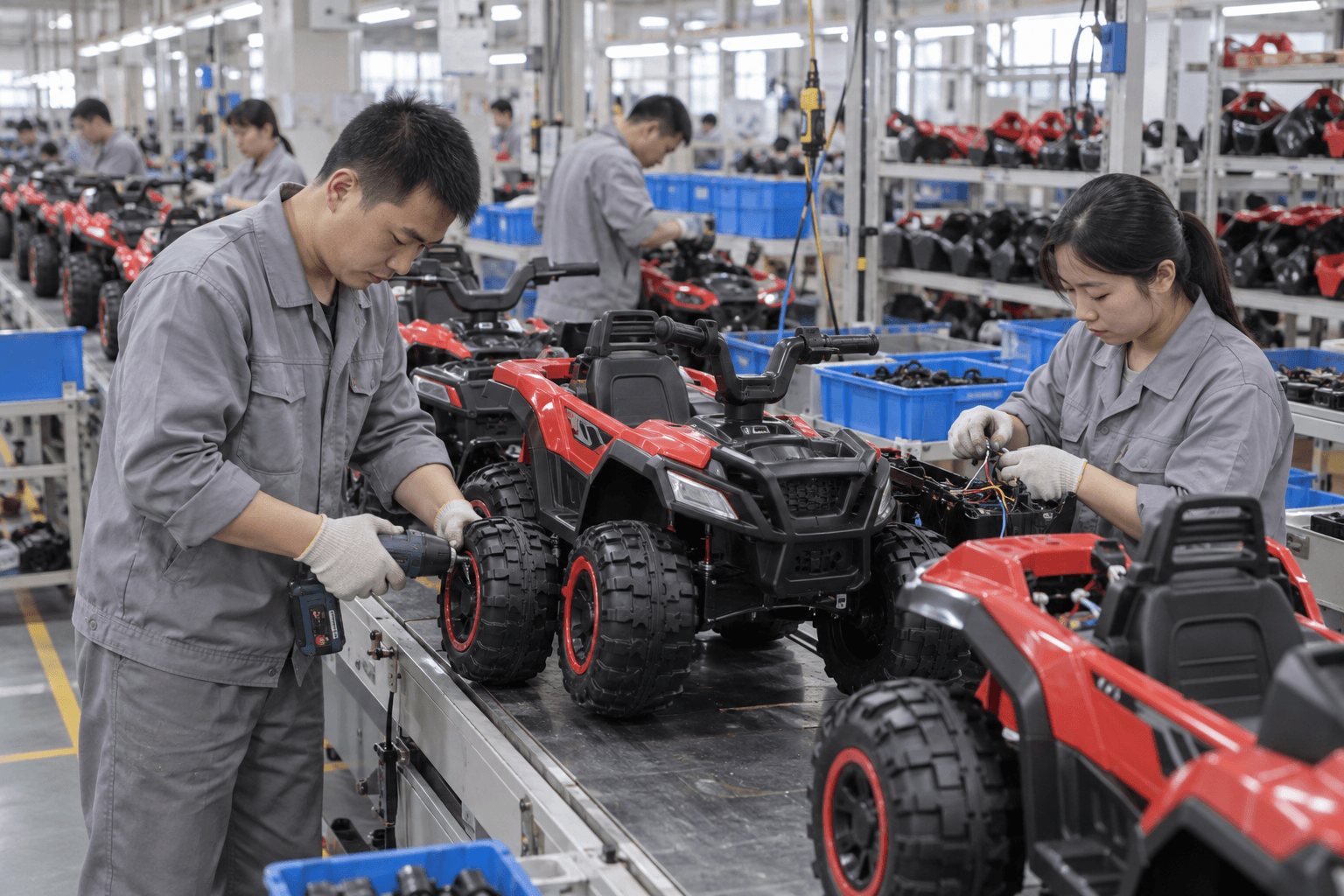
8. Turn the review into a controlled implementation plan
A useful buyer decision has three outputs: an approved requirement, evidence supporting that requirement, and a named person who can release the next activity. Keep these connected by model, configuration, market, document revision, and effective production date. If a supplier gives a conditional answer, preserve the condition in the purchasing record rather than shortening it into an unconditional product claim.
Maintain a responsible-sourcing file with buyer code, required methodology, membership route, factory legal identity, audited scope, report access, auditor authorization, findings, critical escalation, CAPA, verification and next review date. Link major workforce and site changes to renewed risk assessment.
- Confirm the customer’s accepted social-audit program.
- Verify factory and subcontractor scope.
- Review the complete report and worker-safety evidence.
- Escalate and correct findings by severity.
- Track validity and improvement through repeat orders.
Primary resources for the specific source facts and frameworks discussed in this guide: Sedex SMETA audit overview; Sedex approved Affiliate Audit Companies; amfori BSCI audit request guidance.
Continue the related CubRover buyer workflow: factory audit and quality-control guide; supplier quality agreement guide; remote factory audit guide.
9. Conclusion and buyer handoff
Social compliance is an operating system, not a wall certificate. Verify the correct site, use the accepted methodology, read the full findings and track root-cause improvement alongside quality and capacity management.
Before requesting a quote, share the destination market, selected product platform, target quantity, required configuration, channel, timing, and the decision you need the supplier to support. Attach the current requirement and identify open questions. This gives the factory a clear starting point for discussing samples, evidence, inspection, documents, packaging, and commercial responsibilities.
Frequently asked questions
Is SMETA a certification?
SMETA is an audit methodology and reporting process, not a simple product or factory certificate.
Can any audit company conduct a SMETA audit?
Sedex states that SMETA audits must be conducted by approved Affiliate Audit Companies.
Can a factory request its own BSCI audit?
The amfori process is member based; the responsible member generally requests and approves the audit.
Does a good social-audit score prove product quality?
No. Social compliance and product quality require separate but coordinated controls.
What should happen after a finding?
Assign severity, root cause, owner, due date and evidence-based verification, with immediate escalation for critical issues.
How often should audits be repeated?
Follow the program, buyer and risk requirements and reassess after significant site, workforce or process changes.
Qualify a kids ATV factory beyond the sample
Ask CubRover about factory information, production workflow, quality controls and buyer-specific audit coordination.
Send Your Requirements