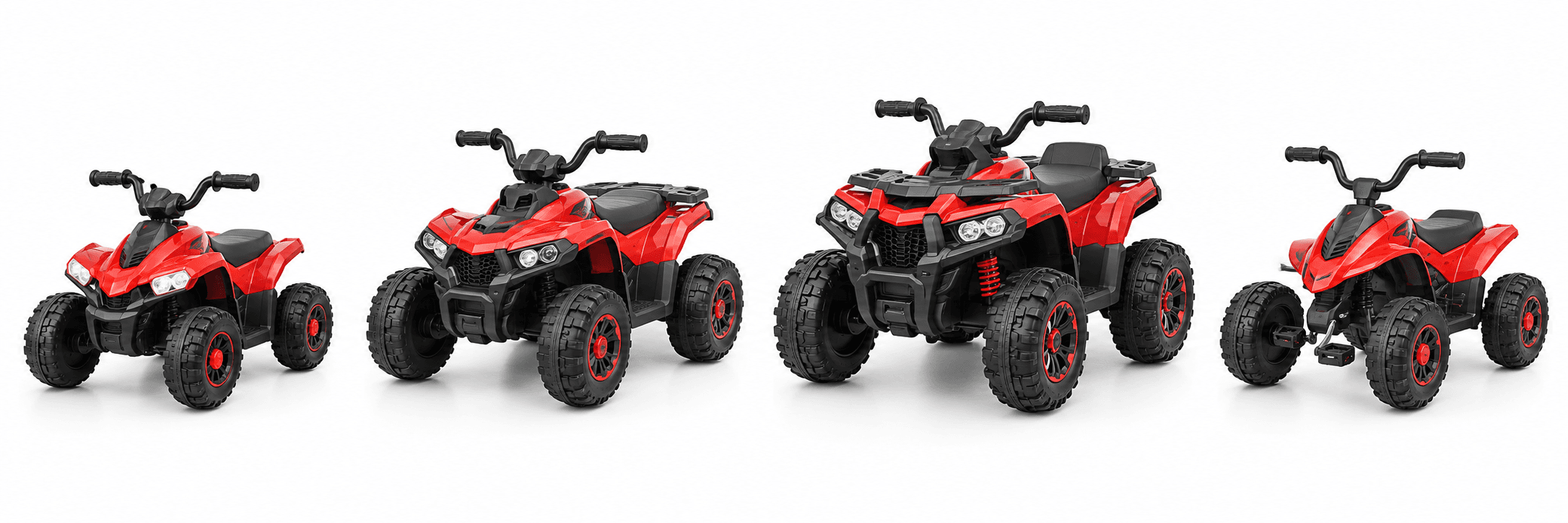
The short answer
In the United States, do not classify a four-wheel children’s vehicle from its appearance, electric power, product name, or one speed number. CPSC describes ATVs through statutory design characteristics and evaluates possible toy ride-on products using the totality of factors such as speed, weight, suspension, off-highway tires, marketing, and actual use. Review the exact configuration with qualified U.S. counsel and laboratories before import or sale.
The words “kids ATV” can describe products ranging from small battery ride-on toys to motorized youth all-terrain vehicles. The shells may look similar while the product architecture, intended use, legal duties, testing, labeling, action-plan obligations, and distribution controls differ substantially.
This guide summarizes an importer decision process using current CPSC business guidance available at publication. It does not classify any CubRover model and is not a substitute for fact-specific legal and technical review.
1. Start with the statutory ATV characteristics
CPSC explains that an ATV is a motorized off-highway vehicle with three or four wheels, a straddle seat, and handlebars for steering control. Electric propulsion does not automatically remove a product from that analysis. Confirm the complete design and intended off-highway function rather than relying on a toy-industry product name.
Record drive system, maximum speeds and modes, control layout, seating, steering, tires, suspension, braking or stopping behavior, vehicle weight, dimensions, load, warnings, packaging, instructions, marketing, and actual intended application. Small changes can affect more than performance and should return to classification review.
What to confirm before approval
- Document the exact production configuration.
- Compare design and use with current statutory definitions.
- Do not assume electric power or child use creates an exemption.
2. Evaluate the totality of toy-versus-ATV factors
CPSC staff guidance discusses factors including suspension, off-highway tires, vehicle weight, speed, marketing, and actual use. The list is not a mechanical scorecard, and no single feature necessarily decides every product. A low vehicle with plastic wheels can present a different fact pattern from a heavier suspended model with pneumatic off-highway tires.
CPSC staff has discussed five miles per hour as one consideration in determining whether a product is more likely a ride-on toy or off-highway vehicle. Treat that as part of the totality, not a guaranteed safe harbor or universal threshold. Measure every operating mode under defined conditions and review the whole design and evidence.
What to confirm before approval
- Use all relevant design and use factors.
- Measure speed under controlled stated conditions.
- Avoid treating one number as a conclusive legal rule.
3. Keep marketing and actual use aligned with the review
Product names, photographs, videos, terrain scenes, rider language, retailer categories, search keywords, manuals, and warnings can communicate intended use. Calling a product an ATV while trying to document it as a toy creates an obvious inconsistency, but changing a label alone does not change its physical design or real application.
Create an approved claims sheet for the exact model. Prohibit sellers and distributors from adding unsupported off-road, hill, mud, trail, racing, water, speed, age, or load claims. Monitor marketplace content and customer questions because actual promotion and foreseeable use can expose a gap between the reviewed product and the product presented to consumers.
What to confirm before approval
- Review all consumer-facing media and retailer data.
- Control terrain, speed, age, and application claims.
- Monitor channel drift after launch.
4. Map the requirements for the resulting category
If the product is a children’s toy, the applicable U.S. children’s-product and toy-safety obligations can include third-party testing by a CPSC-accepted laboratory, certification, tracking information, and relevant federal requirements. The exact scope depends on the product, age grading, materials, functions, and current rules.
If the product is an ATV, CPSC states that manufacturers and distributors must meet the applicable ANSI/SVIA standard incorporated by law, comply with an approved ATV action plan, and meet required labeling and related obligations. Youth models can also raise children’s-product requirements depending on the facts. Do not use a toy report as an ATV approval or an ATV label as proof that every obligation is complete.
What to confirm before approval
- Create a category-specific legal and test matrix.
- Use current standards and CPSC guidance.
- Match certificates and reports to the exact product.
5. Build a configuration-specific classification file
The file should contain dated product specifications, drawings, photographs, component identities, mass and dimension records, speed and functional test methods and results, intended-use statement, age rationale, marketing examples, instructions, warnings, laboratory and counsel correspondence, and the approved conclusion with limitations.
Preserve who made the decision and what information was reviewed. Ask the factory to identify changes to controller, battery, gearing, wheel, tire, suspension, frame, body, seat, handlebar, brake, speed modes, remote control, load, packaging, instructions, and claims before implementation. A decision about one model should not be copied across visually related variants without review.
What to confirm before approval
- Tie every record to model and revision.
- Retain the reasoning, not only the conclusion.
- Require change notification before implementation.
6. Verify production and channel consistency
At pilot production and shipment inspection, verify the classified configuration, control modes, speed-related parts, tires or wheels, suspension, labels, warnings, manual, carton, and marketing identifiers. Use test methods and tolerances established by the responsible technical and compliance teams rather than an improvised one-unit demonstration.
After launch, monitor complaints, returns, modification advice, videos, retailer descriptions, and use patterns. Escalate evidence of unexpected speed, component substitution, off-highway promotion, or use inconsistent with the classification assumptions. Reassess before repeat orders, new markets, or significant design changes.
What to confirm before approval
- Verify identity and critical features in production.
- Control retailer content and unsupported modifications.
- Reassess changes and field evidence.
7. Worked example: apply the decision to a real order
The following scenario is illustrative. It explains a decision method rather than reporting a CubRover customer project, measured test result, certification, or completed shipment.
An importer reviews a small electric quad with a straddle-style seat and handlebar steering. The product team initially calls it a toy because it is battery powered and intended for children. Marketing, however, shows trail use, and a proposed wheel and controller option changes the vehicle’s performance and off-highway appearance.
The importer freezes the exact configuration and provides specifications, weight, suspension, tire, speed-mode, use, and marketing evidence to qualified U.S. counsel and a laboratory. Claims are paused until the category and requirements are resolved. The approved file identifies which configuration it covers and which changes require renewed review.
This scenario does not classify the example or state that one speed, weight, tire, or marketing phrase controls the answer. It demonstrates why early, complete, documented review is safer than asking the factory for a generic certificate after production.
| Evidence area | Questions | Control output |
|---|---|---|
| Design | Power, seat, steering, tires, suspension, weight | Configuration record |
| Performance | Modes, speed, stopping, intended terrain | Defined test evidence |
| Presentation | Name, claims, images, instructions, actual use | Approved claims file |
| Requirements | Toy, ATV, or other applicable duties | Counsel and laboratory plan |
Questions to include in the buyer decision brief
Convert the review into questions that the supplier can answer against one named model and order. The following prompts come from the topic-specific approval checks above. They are intentionally practical: each answer should identify the responsible party, supporting record, open condition, and date by which the buyer can make the next decision.
- Start with the statutory ATV characteristics: Document the exact production configuration. Compare design and use with current statutory definitions. Do not assume electric power or child use creates an exemption.
- Evaluate the totality of toy-versus-ATV factors: Use all relevant design and use factors. Measure speed under controlled stated conditions. Avoid treating one number as a conclusive legal rule.
- Keep marketing and actual use aligned with the review: Review all consumer-facing media and retailer data. Control terrain, speed, age, and application claims. Monitor channel drift after launch.
- Map the requirements for the resulting category: Create a category-specific legal and test matrix. Use current standards and CPSC guidance. Match certificates and reports to the exact product.
- Build a configuration-specific classification file: Tie every record to model and revision. Retain the reasoning, not only the conclusion. Require change notification before implementation.
- Verify production and channel consistency: Verify identity and critical features in production. Control retailer content and unsupported modifications. Reassess changes and field evidence.

8. Turn the review into a controlled implementation plan
A useful buyer decision has three outputs: an approved requirement, evidence supporting that requirement, and a named person who can release the next activity. Keep these connected by model, configuration, market, document revision, and effective production date. If a supplier gives a conditional answer, preserve the condition in the purchasing record rather than shortening it into an unconditional product claim.
Create a classification gate before quotation approval, sample signoff, testing, marketing, and production. The gate should block launch until the exact product, use, claims, category, standards, evidence, certificates, labels, instructions, and responsible parties are documented. Keep a change list that automatically reopens the relevant questions.
- Freeze the exact product and intended application.
- Collect totality-of-factors and marketing evidence.
- Obtain qualified U.S. legal and laboratory review.
- Complete category-specific testing and documents.
- Verify production and monitor post-launch consistency.
Agree evidence and acceptance before work starts
Write the review method before the sample, factory testing, document check, shipment inspection, or service exercise takes place. Specify the reference, sample selection, conditions, tools, result format, acceptance boundary, and response to a failure. This makes two quotations or results comparable and prevents teams from negotiating the meaning of a pass after money and time have already been spent.
Keep a compact, traceable decision file
Retain the original requirement, dated supplier response, model and component identity, relevant photographs, calculations, reports, deviations, approvals, and release decision. A screenshot can help communication, but retain the underlying record when it matters to the decision. Distinguish a proposed target from a measured value, an engineering sample from a production reference, and an internal check from a third-party assessment.
Use one current revision where possible. Purchasing, engineering, compliance, quality, logistics, sales, and service may need different views of the information, but they should not be making decisions from different versions of the product. When a change is approved, state the first affected batch and what happens to old materials, inventory, artwork, service parts, customer instructions, and pending shipments.
Review cost and timing together with product application
The lowest visible unit price may shift cost into testing, rework, freight, storage, retail setup, support, returns, or obsolete parts. Compare the complete customer requirement and the cost of supplying it consistently. Where a number is uncertain, show the assumption and a reasonable scenario range. Do not turn an illustrative calculation into a supplier promise or a universal benchmark for the category.
Reserve time for unresolved items. A sample modification may require another review; a component change may affect evidence; a carton revision may alter loading; a late document can affect handoff. Put the owner and decision date beside each open item. A useful schedule makes these dependencies visible instead of reporting one finish date that assumes every preceding decision will happen immediately.
Close the loop after delivery
After the first shipment or implementation, compare the approved assumptions with arrival condition, assembly preparation, actual costs, receiving accuracy, customer questions, service cases, and repeat-order results. Separate an isolated event from a recurring pattern using model, batch, channel, and time in use. When a discrepancy appears, contain the affected scope, identify the cause, implement the correction, and verify the next relevant outcome.
Primary resources for the specific source facts and frameworks discussed in this guide: CPSC all-terrain vehicle FAQ; CPSC guidance for youth ATVs; CPSC toy-safety business guidance.
Continue the related CubRover buyer workflow: U.S. compliance guide; safety and compliance checklist; age-grading and rider-fit guide.
9. Conclusion and buyer handoff
A toy-versus-youth-ATV decision cannot be reduced to styling, electric power, a product name, or one speed figure. Freeze the configuration, review the totality of design and use, align marketing, map the category-specific obligations, and verify that production remains within the approved file.
Before requesting a quote, share the destination market, selected product platform, target quantity, required configuration, channel, timing, and the decision you need the supplier to support. Attach the current requirement and identify open questions. This gives the factory a clear starting point for discussing samples, evidence, inspection, documents, packaging, and commercial responsibilities.
Frequently asked questions
Is every electric kids quad a toy?
No. Electric propulsion alone does not decide the U.S. category; the complete design, intended use, and applicable definitions require review.
Does a speed below 5 mph automatically make it a ride-on toy?
No. CPSC staff discusses speed among multiple factors; do not treat one figure as a categorical safe harbor.
Can calling the product a ride-on toy change its classification?
A name alone cannot change physical design, intended off-highway function, marketing, or actual use.
Are youth ATVs exempt from children’s-product rules?
Do not assume so; age and product facts can trigger additional requirements, requiring qualified review.
Can one report cover every similar quad?
Only when the responsible experts confirm that the report and certification scope represent each exact configuration and applicable requirement.
What changes should reopen classification review?
Changes to drive, speed, controller, battery, gearing, tires, wheels, suspension, frame, seat, steering, braking, use, age, or claims may matter.
Start with a model-specific U.S. review
Contact info@CubRover.com with the exact configuration and intended application; use qualified counsel and laboratories for the final determination.
Contact Us